Case Study: Hotel Indigo Suzhou Jinji Lake – Weaving New Su-Style Luxury with Furniture to Revitalize the Soul of Luxury Star Hotels
Every time I step into Hotel Indigo Suzhou Jinji Lake, my eye is drawn not to the fancy decorations, but to the furniture woven into the space itself. They’re like quiet storytellers—softly blending the gentle charm of Jiangnan gardens with the edgy energy of modern design, turning “the feel of Suzhou” into something you can actually live with. The team behind this magic is gom Furniture, who’ve spent years mastering luxury star hotel furniture. And us? At CHIUCHIU, we take that craftsmanship and turn it into the kind of luxury guests can experience—not just look at. Today, let’s break down how furniture really gives a luxury hotel its soul.
A Soft Chat with Suzhou: Indigo’s “Neighborhood Feel,” Held Together by gom Furniture
Hotel Indigo Suzhou Jinji Lake didn’t launch with a big, flashy event. It felt more like a quiet conversation with the city. Tucked right in the heart of Jinji Lake’s 5A Scenic Area, it faces the “Suzhou Eye” Ferris wheel across the water—you can see lake views and greenery from the windows, and the CBD’s buzz is just a short walk away. That fits Indigo’s vibe perfectly: “hide in the neighborhood, find something new.” And it checks the box every luxury star hotel needs: staying true to the local culture while feeling genuinely upscale.
What everyone in the industry talked about, though, was how it pulled off “Suzhou cyberpunk”—a style that sounds like a contradiction, but works. Here, you’ll find Jiangnan garden lattice patterns and Su-style weaving next to bright “Star Blue” and sleek metal lines. And the one making that mix feel natural? gom Furniture.
gom’s been making furniture for luxury star hotels for years, so they get it: furniture needs to carry the local “temperature.” When picking wood, they go for grains that feel soft and warm, like Jiangnan itself. When mixing the “Star Blue” color, they looked to Jinji Lake at night—deep, but with a little life. That idea of “rooting furniture in local culture” hits exactly what Middle Eastern luxury hotels want too. After all, real luxury isn’t just shiny—it’s tied to the place it’s in.
From Sketch to Sofa: How gom Turned “Two-Sided Suzhou” into Real Furniture
The hotel’s design came from Hong Kong’s CCD Design Institute, and their big idea was “step through time, see two sides of Suzhou”—keeping the old city’s culture while showing modern Suzhou’s energy. But ideas on paper don’t sit or eat on their own. That’s where gom stepped in: turning those abstract sketches into furniture you can actually use.
gom didn’t overcomplicate it—they just took it one step at a time, making sure every piece felt right:


1. Turning Suzhou’s Culture into Furniture
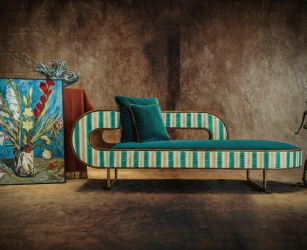
CCD wanted the lobby chairs to have the same soft curve as Jiangnan garden columns. gom didn’t just copy the shape—they tested three different 1:1 prototypes, tweaking the wood’s bend each time. The end result? A chair that looks like it belongs in a garden, but still feels comfortable if you sit in it for hours.
That “Star Blue” fabric was a team effort too. gom worked with a fabric supplier, testing eight different swatches, until they got a color that matched Jinji Lake’s night sky and could handle hotel life. Spill coffee? Wipe it off. Rub it 500 times? No fade. It’s pretty, but it works—no trade-offs.
2. Balancing Old and New
“Suzhou cyberpunk” means mixing traditional weaving with modern metal, right? gom solved that for the restaurant chairs: the main frame is solid wood with tiny Su-style carvings (the classic part), and they added a thin strip of MT-101 matte black steel around the edges (the modern part). The steel doesn’t glare, and they tested it for 48 hours to make sure it wouldn’t rust—perfect for a hotel that uses chairs day in, day out.
3. Making Furniture Flexible for the Hotel
Indigo wanted spaces that work for small chats and big events. So gom came up with a circular coffee table that splits in two. They tried different ways to make it fit together—finally using hidden magnets and clips. Split it, and there’s no gap; put it back, and it’s solid. Plus, there are little wheels on the bottom, so staff can move it with one hand. Easy, practical, and still looks good.
Our job at CHIUCHIU here was just to keep the lines clear: we talked with CCD to make sure gom understood every small detail, and checked in with gom to keep things on track. No miscommunications, no last-minute changes—just making sure the furniture was both beautiful and useful.
The Little Things That Matter: gom’s Decades of Craft, Hiding in the Details
What makes Indigo’s furniture feel like the “soul of the space”? It’s not the big stuff—it’s the little choices gom made. They’ve been doing this for decades, so they don’t see furniture as just “things to sit on.” To them, it’s something that carries culture and lasts. Every detail is thought through, even the ones you might not notice.
1. Picking Materials That Work (and Look Good)
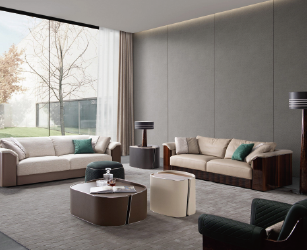
Suzhou is humid, and hotels use furniture hard—so gom didn’t cut corners. The lobby sofas? High-elastic sponge that won’t sag even after 50,000 sits, plus velvet with a nano-stain coating (spills wipe right off). The balcony furniture? Teak that’s been heated twice to resist rot, and acrylic fabric that blocks UV rays—so even in the sun and rain, it won’t fade or crack. It’ll look good for years, not just months.
2. Getting the Craft Just Right
The restaurant tables have WD-1003 oak tops, and gom took their time with them: sanded three times (once to smooth out burrs, once to refine the grain, once to make it soft to the touch), then painted twice. The primer is eco-friendly (meets EU E0 standards), and the top coat has extra wear protection. Run your hand over it, and the wood grain feels real—plus, it can hold 200kg without bending. Perfect for big dinners or heavy trays.
3. The Details You Don’t See (But Notice)
Take the carvings on the beds in the ES-3 suites. gom didn’t just use a machine—old craftsmen drew the “crabapple pattern” (a Suzhou classic) by hand first, then a machine refined the details, and finally someone sanded the edges by hand. From far away, you see the pattern; up close, it’s smooth—no rough spots. Even the drawer dampers in the nightstands are imported: tested 30,000 times, and they still close quietly and slowly. No slamming drawers to wake guests up—small, but it matters.
What CHIUCHIU Brings: Connecting Chinese Craft to Middle Eastern Luxury Hotels
gom makes amazing furniture, but our job at CHIUCHIU is to turn that craft into something international luxury star hotels can count on. For Middle Eastern hotels, we’re the link that keeps everything on track—here’s how we do it:
1. Keeping the Whole Project on Track
International hotel furniture projects have so many moving parts: design, making, shipping, installing. Miss one step, and the whole thing gets delayed. We work closely with core suppliers like gom to keep things smooth:
This works especially well for Middle Eastern hotels—they often have big projects and tight deadlines. We let gom focus on making great furniture, while we handle the rest. No distractions, no delays.
2. Making Furniture Feel “Local” Anywhere
Whether it’s Jiangnan culture in Suzhou or Arabic style in the Middle East, luxury hotels want furniture that fits the place. We’re good at figuring out what that means. For example, when we worked with a Dubai hotel, we talked to the owner to pick Arabic symbols (crescent moons, vines—nothing sensitive), then told gom how to turn those into carvings and inlays. The end result? Cabinets that look Arab, work as storage, and feel like they belong there.
3. Using China’s Supply Chain to Win
We work with more than just gom—we have fabric suppliers, metal shops, and logistics teams all lined up. For Middle Eastern hotels, that means three big wins:
Why Middle Eastern Luxury Hotels Choose Chinese Contractors Like Us
These days, more Middle Eastern hotels are picking “Chinese contractor + Chinese supplier (like gom)”—and it’s not by chance. We solve the problems they actually face:
1. Furniture That Has Both “Local Soul” and “Global Quality”
Middle Eastern hotels hate generic luxury—they want furniture that feels Arab. But international brands often don’t get the small details (like which patterns matter, which colors feel right). We talk to the owner, figure out what they need, then work with gom to make it real. The furniture has that local soul, but still meets luxury star hotel standards.
2. Great Quality Without the Crazy Price
Middle Eastern hotels want furniture that lasts (10 hours a day, 5 years)—but they also care about getting their money’s worth. We work with gom to make high-quality furniture at a fair price. No overpaying for a brand name, no cutting corners on quality. It’s a win-win.
3. No Surprises—Even for Big Projects
Middle Eastern hotels often have thousands of furniture pieces and years of planning. We watch for risks: extra fabric in case a batch is bad, backup shipping routes if one gets stuck. We keep the project moving, even when things go wrong. That’s crucial—they can’t delay their opening for furniture.
At the end of the day, whether it’s Jiangnan gardens in Suzhou or Arabic patterns in the Middle East, great hotel furniture needs a soul. gom makes that soul with their craft, and we at CHIUCHIU make sure it finds its way to the right hotel. We’re proud of what we did at Hotel Indigo Suzhou—and we’re ready to bring that same care to luxury hotels in the Middle East. Because a hotel isn’t truly luxurious until its furniture feels like it belongs.